
Welcome to your complete guide on retaining wall collapse in Tauranga, where we break down why these failures happen, how to spot early warning signs, and what steps you can take to protect your property and avoid costly damage. With Tauranga’s sloped landscapes, coastal conditions, and heavy rainfall, retaining walls are essential but vulnerable structures, and when they fail, the consequences can be serious for homeowners, buyers, and landlords alike. In this guide, you’ll learn the most common causes of collapse, practical solutions for repair or replacement, and expert-backed prevention strategies so you can make informed decisions and safeguard your investment with confidence.
A retaining wall collapse in Tauranga is typically caused by poor drainage, soil movement, or structural failure due to improper design or aging materials. Common warning signs include leaning walls, cracks, and water buildup. Addressing issues early and consulting a qualified professional can help prevent further damage and ensure long-term stability.
Table of Contents
What Is A Retaining Wall Collapse?
A retaining wall collapse happens when a wall that is designed to hold back soil can no longer resist the pressure behind it and begins to fail. This failure can range from minor structural issues to a complete breakdown of the wall, often leading to safety risks, property damage, and costly repairs. Understanding what a retaining wall is meant to do and how collapse occurs is the first step in identifying problems early and taking the right action.
Simple Explanation For Homeowners
For most homeowners, a retaining wall is simply part of the landscape, but it plays a critical role in keeping your property stable and safe.
What Retaining Walls Do
Retaining walls are built to hold back soil on sloped land and prevent it from shifting or eroding. They create level areas for landscaping, driveways, or buildings, especially in areas where the natural ground is uneven.
- Soil retention: Keeps soil in place and prevents it from sliding downhill
- Structural support: Stabilizes land around homes, fences, and driveways
- Water management: Works with drainage systems to control water flow and reduce pressure behind the wall
Without a properly functioning retaining wall, soil movement can affect not just your yard but also nearby structures.
What “Collapse” Actually Means (Partial Vs Full Failure)
A retaining wall does not always fail suddenly. In many cases, collapse happens gradually, with warning signs appearing well before complete failure.
- Partial failure: Sections of the wall may lean, crack, or bulge outward, indicating that pressure is building up behind it
- Full collapse: The wall gives way entirely, often causing soil to spill out and potentially damaging surrounding areas
Even a partial failure should be taken seriously, as it often leads to a full collapse if left unaddressed.
Why Retaining Walls Are Common In Tauranga
Tauranga’s natural landscape and environmental conditions make retaining walls a common feature across many residential and commercial properties. However, these same conditions can also increase the risk of failure if walls are not properly designed and maintained.
Sloped Properties
Many homes in Tauranga are built on uneven or sloped terrain, which makes retaining walls essential for creating usable and stable land.
- Level ground creation: Allows homeowners to build patios, gardens, and driveways on otherwise steep land
- Slope stabilization: Prevents soil from moving downhill, especially during heavy rain
Without retaining walls, many properties would face ongoing erosion and instability issues.
Coastal And Clay-Heavy Soil Conditions
Tauranga’s proximity to the coast and its soil composition play a major role in retaining wall performance.
- Clay-based soil: Expands when wet and shrinks when dry, placing repeated stress on walls
- Moisture exposure: Coastal conditions increase humidity and water retention in the soil, adding pressure behind the wall
- Drainage challenges: Poor drainage can lead to water buildup, which is one of the leading causes of wall failure
These conditions mean that retaining walls in Tauranga must be carefully designed to handle both soil movement and water pressure.
Urban Development On Hillsides
As Tauranga continues to grow, more developments are being built on hillsides and elevated areas, increasing the reliance on retaining walls.
- High-density housing: Requires engineered solutions to support multiple structures on sloped land
- Cut-and-fill construction: Alters natural land levels, making retaining walls necessary to hold reshaped soil in place
- Increased load pressure: Additional structures, driveways, and landscaping can add weight behind retaining walls
A retaining wall may seem like a simple feature, but when it fails, the impact can be significant. Understanding how these walls work and why they are so common in Tauranga helps you recognize potential risks early and take the right steps to protect your property.
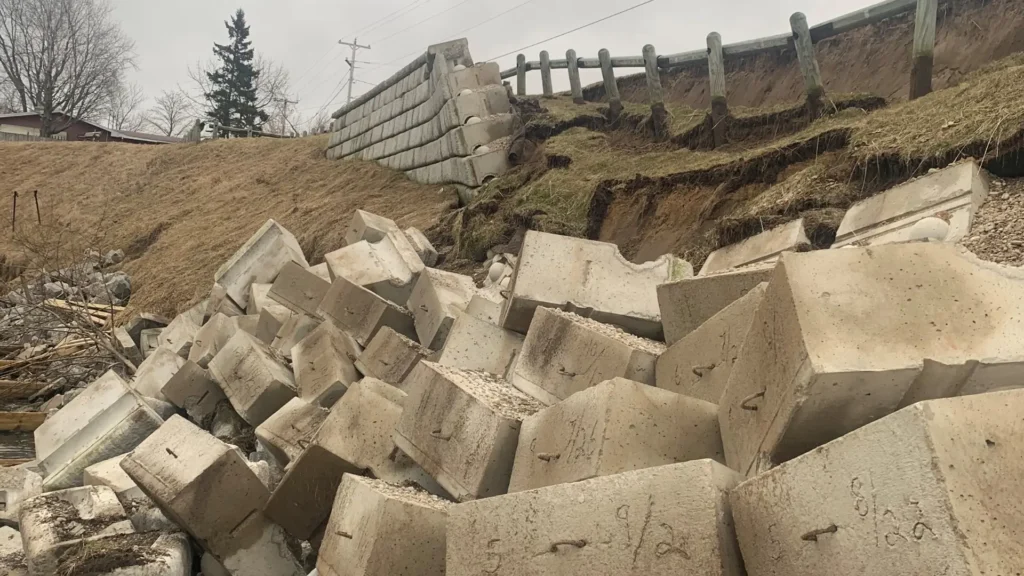
Common Causes Of Retaining Wall Collapse In Tauranga
Retaining wall failure in Tauranga is rarely caused by a single issue. In most cases, it is the result of multiple factors working together over time, especially water pressure, poor construction practices, and challenging ground conditions. Understanding these causes helps you identify risks early and make better decisions when building, repairing, or maintaining a retaining wall on your property.
Poor Drainage And Water Buildup
Water is the most common and most underestimated cause of retaining wall collapse. When drainage is not properly designed or maintained, pressure builds up behind the wall and gradually weakens its structure.
Hydrostatic Pressure Explained Simply
Hydrostatic pressure is the force created when water accumulates in the soil behind a retaining wall. As the soil becomes saturated, it becomes heavier and exerts outward pressure against the wall. Over time, this pressure can cause the wall to lean, crack, or fail completely.
- Water-saturated soil weight: Wet soil is significantly heavier than dry soil, increasing the load on the wall
- Pressure buildup: Without proper drainage outlets, water has nowhere to go, causing force to push against the structure
- Structural stress: Even well-built walls can fail if hydrostatic pressure is not managed properly
Heavy Rainfall Impact In Tauranga
Tauranga’s climate plays a major role in retaining wall performance. Frequent rainfall and storm events can quickly overwhelm poorly-drained systems.
- High rainfall periods: Sudden downpours can rapidly saturate soil behind walls
- Drainage overload: Inadequate drainage systems may not cope with large volumes of water
- Long-term moisture exposure: Constant damp conditions accelerate material deterioration and weaken structural integrity
Inadequate Design Or Construction
Many retaining wall failures can be traced back to poor planning or shortcuts taken during construction. A wall that is not properly engineered for its environment is far more likely to fail under pressure.
DIY Vs Engineered Walls
While DIY retaining walls may seem cost-effective, they often lack the structural support needed for long-term stability, especially on sloped or load-bearing sites.
- Lack of reinforcement: DIY builds often miss critical elements like geogrid reinforcement or proper footing depth
- Incorrect wall height design: Walls built too high without engineering support are at higher risk of collapse
- Improper backfill materials: Using unsuitable soil instead of free-draining material increases pressure behind the wall
Lack Of Council Compliance Or Consent
Ignoring local building requirements can lead to structural and legal issues. In Tauranga, certain retaining walls require council approval and proper engineering design.
- Non-compliant construction: Walls built without meeting code requirements may lack essential safety features
- Missed inspections: Without proper oversight, defects can go unnoticed until failure occurs
- Future liability risks: Non-compliant structures can create complications during property sales or insurance claims
Soil Movement And Erosion
Ground conditions in Tauranga can be unpredictable, particularly in areas with clay soils or near the coast. Soil movement places continuous stress on retaining walls.
Clay Soil Expansion And Shrinkage
Clay-heavy soils expand when wet and shrink when dry. This constant movement can destabilize the wall over time.
- Seasonal movement: Wet and dry cycles cause soil to shift repeatedly
- Uneven pressure: Expanding soil pushes against certain sections more than others
- Foundation instability: Repeated movement weakens the base of the wall
Coastal Erosion And Ground Instability
Properties closer to the coastline face additional risks due to natural erosion and shifting ground.
- Soil loss: Gradual erosion removes support from beneath the wall
- Salt exposure: Coastal conditions can accelerate material wear and corrosion
- Unstable terrain: Loose or sandy soil is less capable of supporting structural loads
Tree Roots And Vegetation Pressure
Landscaping choices can have a direct impact on retaining wall stability. Trees and large plants may look harmless but can exert significant force over time.
Root Systems Pushing Walls Outward
As roots grow, they expand in search of moisture and nutrients. This can create pressure behind or beneath the wall.
- Root expansion force: Thick roots can physically push against the wall structure
- Soil displacement: Roots shift surrounding soil, creating uneven pressure zones
- Moisture imbalance: Vegetation can alter soil moisture levels, affecting stability
Age And Material Deterioration
Even well-built retaining walls have a lifespan. Over time, exposure to weather, moisture, and environmental stress leads to gradual weakening.
Timber Rot, Rusting Steel, Cracked Concrete
Different materials fail in different ways, but all require maintenance to remain structurally sound.
- Timber decay: Moisture exposure causes untreated or aging timber to rot and lose strength
- Steel corrosion: Reinforcement elements can rust, reducing load-bearing capacity
- Concrete cracking: Small cracks allow water ingress, which worsens over time and weakens the structure
- Cumulative wear: Small issues compound over time, leading to eventual failure
- Lack of maintenance: Neglect accelerates deterioration and reduces lifespan
- Hidden damage: Internal weakening may not be visible until significant failure occurs
Understanding these causes gives you a clear advantage when it comes to prevention and early intervention. In many cases, retaining wall collapse is avoidable with proper design, drainage, and ongoing maintenance. Taking action early can save significant costs and protect your property from more serious structural damage.
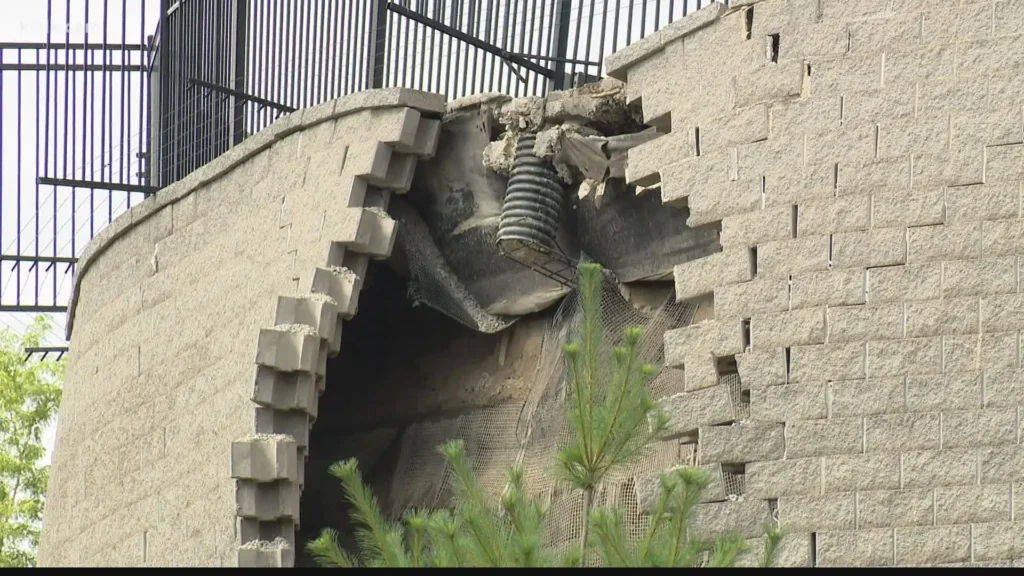
Warning Signs Before A Retaining Wall Fails
Retaining wall failures rarely happen without warning. In most cases, there are clear signs that develop over time, especially in areas like Tauranga, where soil conditions and rainfall can put added stress on structures. Knowing what to look for allows you to act early, avoid major damage, and reduce repair costs. Below are the most common indicators that a retaining wall may be at risk of failure.
Visible Structural Issues
One of the most obvious signs of a failing retaining wall is a change in its shape or alignment. These issues usually indicate that the wall is no longer able to properly resist the pressure behind it.
- Leaning or bulging walls: A wall that tilts forward or shows a curved outward shape is often under excessive pressure from soil or water buildup. Even a slight lean can worsen quickly if not addressed.
- Cracks or separation: Cracks in concrete, gaps between timber boards, or separation at joints suggest structural weakness. These may start small but can expand as pressure increases or materials deteriorate.
Drainage And Water-Related Signs
Water is one of the most common causes of retaining wall failure. Poor drainage leads to hydrostatic pressure building up behind the wall, which can eventually push it outward.
- Water pooling: Standing water near the base or top of the wall often signals blocked or inadequate drainage. This adds extra weight and pressure to the structure.
- Damp soil behind wall: Soil that remains constantly wet or soggy indicates poor water flow. Over time, this weakens the wall’s ability to hold back the soil effectively.
Ground Movement Indicators
Changes in the surrounding ground can point to instability beneath or behind the wall. These signs are especially important because they often affect nearby structures as well.
- Sinking or shifting soil: If the ground near the wall begins to sink, settle unevenly, or shift position, it may indicate erosion or loss of support behind the wall.
- Fence or structure misalignment: Nearby fences, decks, or small structures that start to tilt or move out of alignment can signal that the retaining wall is no longer stable.
When To Act Immediately
Some warning signs indicate a high risk of sudden failure and should never be ignored. Acting quickly in these situations can prevent injury and more extensive property damage.
- Rapid movement or worsening cracks: If cracks grow quickly or the wall appears to be moving over a short period, the structure may be close to collapse.
- Large bulges or sections pulling away: Significant deformation or visible gaps suggest that the wall is losing its ability to hold back soil.
- Water flowing through or under the wall: Active water movement is a strong sign of drainage failure and increasing pressure behind the wall.
Recognizing these warning signs early gives you the opportunity to take action before a small issue turns into a costly failure. Regular inspection and timely repairs can significantly extend the life of your retaining wall and protect the safety of your property.
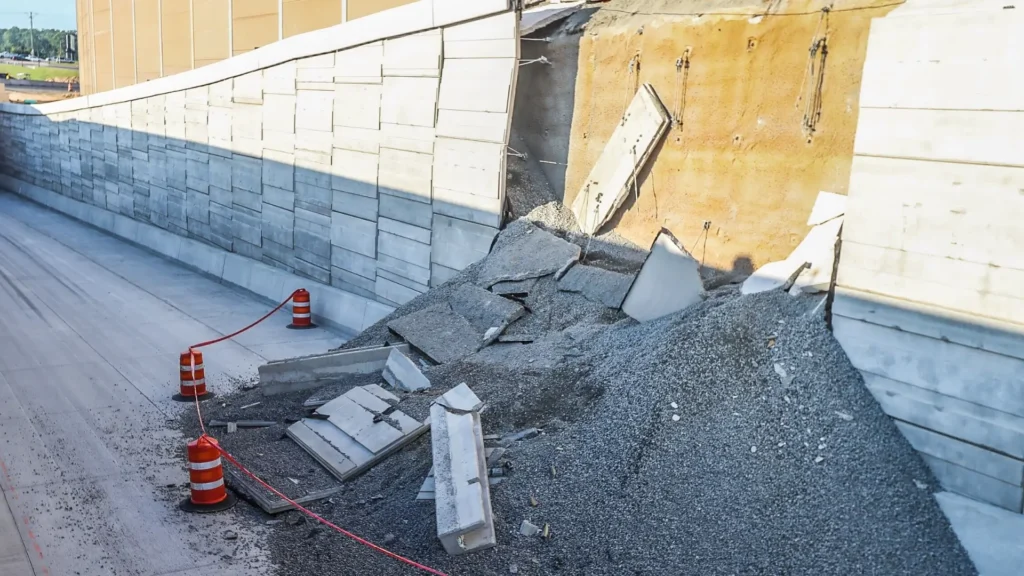
What To Do If Your Retaining Wall Collapses
A retaining wall collapse can be stressful and potentially dangerous, especially in a place like Tauranga, where sloped properties and heavy rainfall increase the risks. Knowing exactly what to do in the moments and days after a collapse can help you protect people, limit further damage, and move toward a safe, compliant repair. The key is to act quickly but carefully, focusing on safety first before addressing documentation, professional support, and legal considerations.
Immediate Safety Steps
Your first priority should always be protecting people and preventing additional hazards. A collapsed or unstable wall can shift further without warning, especially if water pressure or loose soil is still present.
- Keep people away: Secure the area immediately and ensure that family members, neighbors, and pets stay clear of the collapse zone to avoid injury from falling debris or unstable ground.
- Block off access points: Use temporary barriers, fencing, or clear signage to prevent accidental entry, particularly if the wall is near a shared boundary or public-facing area.
- Avoid further disturbance: Do not attempt to remove debris or dig into the affected area, as this can trigger additional soil movement or worsen the collapse.
- Watch for secondary risks: Look for signs of nearby structures being affected, such as leaning fences, cracked pathways, or exposed foundations, which may indicate ongoing instability.
Documenting The Damage
Once the area is safe, it is important to thoroughly document the damage. Proper records will be essential when dealing with insurance providers, contractors, or local authorities.
- Take clear photos: Capture wide-angle and close-up images of the collapsed wall, surrounding soil, drainage areas, and any affected structures from multiple angles.
- Record timeline details: Note when you first noticed signs of failure and when the collapse occurred, including any contributing factors such as heavy rain or nearby construction.
- Document visible issues: Highlight cracks, leaning sections, water buildup, or drainage failures, as these details can help professionals assess the cause.
- Keep supporting evidence: Retain any previous repair records, building plans, or maintenance history, as these can support insurance claims or compliance discussions with council.
Contacting Professionals
A retaining wall collapse is not a situation for guesswork. Bringing in qualified professionals early ensures the problem is properly assessed and resolved in line with Tauranga’s building standards.
- Consult a structural engineer: An engineer can evaluate the cause of the failure, assess ground stability, and design a safe, long-term solution that meets regulatory requirements.
- Engage a local contractor in Tauranga: Choose an experienced contractor who understands local soil conditions, drainage challenges, and council expectations for retaining-wall construction.
- Request a site-specific assessment: Every property is different, so solutions should be tailored to your slope, soil type, and drainage conditions rather than relying on generic fixes.
- Coordinate early planning: Involving both the engineer and contractor early helps streamline the repair or rebuild process and reduces the risk of costly redesigns later.
Insurance And Liability Considerations
Understanding your financial and legal responsibilities is an important step after a retaining wall collapse. This is particularly relevant if the wall sits near a boundary or supports neighboring land.
- Check insurance coverage: Some policies may cover sudden damage caused by natural events such as storms, while gradual wear, poor construction, or lack of maintenance is often excluded.
- Notify your insurer promptly: Contact your insurance provider as soon as possible and provide detailed documentation to support your claim.
- Clarify property boundaries: Determine whether the wall is fully on your property or shared, as this can affect responsibility for repair costs.
- Address neighbor concerns: If the collapse impacts a neighboring property, open communication early can help resolve disputes and avoid escalation.
- Seek professional advice if needed: In complex cases, especially involving shared walls or significant damage, legal or surveying advice may be necessary to establish liability.
Taking the right steps after a retaining wall collapse can make a significant difference in how quickly and effectively the issue is resolved. Acting with a clear plan helps reduce risk, protect your property, and ensure any repairs are done safely and correctly the first time.
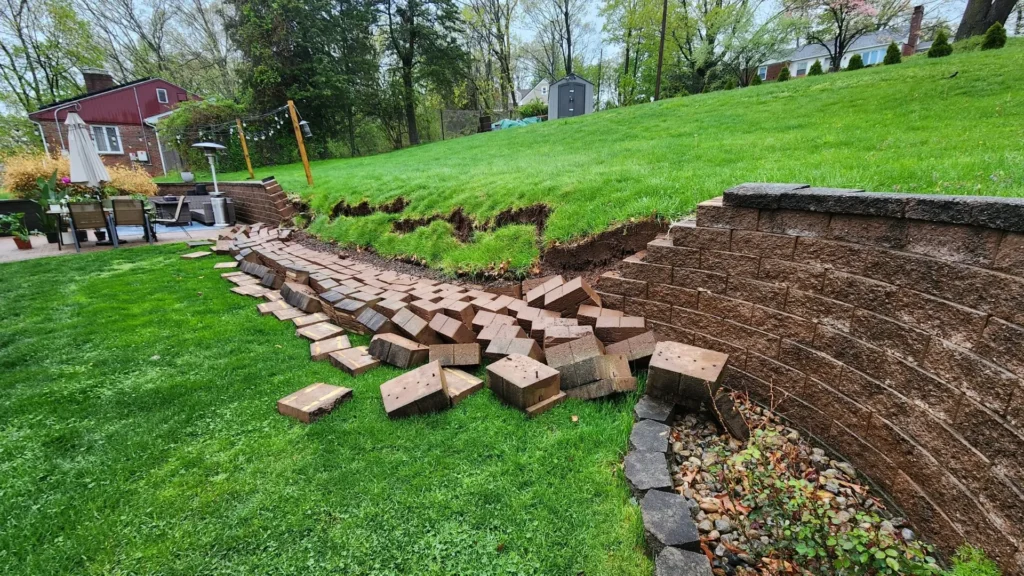
Repair vs Replacement: What Are Your Options?
When a retaining wall shows signs of failure or has already collapsed, one of the most important decisions you’ll face is whether to repair it or replace it بالكامل. The right approach depends on the extent of the damage, the original construction quality, and the underlying cause of the issue. In Tauranga, where soil movement and water pressure are common factors, choosing the correct solution early can prevent repeat failures and unnecessary costs.
Minor Repairs (When Applicable)
Not every retaining wall issue requires a full rebuild. In cases where the structure is still largely intact and the damage is limited, targeted repairs can restore stability and extend the wall’s lifespan.
- Structural reinforcement: Adding supports such as anchors, braces, or tie-backs can help stabilize a slightly leaning wall and prevent further movement.
- Drainage improvements: Installing or clearing drainage systems like weep holes or subsoil drains can relieve built-up water pressure, which is one of the most common causes of failure.
- Surface repairs: Fixing small cracks, replacing damaged timber sections, or patching concrete can improve both the strength and appearance of the wall.
Minor repairs are most effective when the wall’s foundation is still sound. If the base has shifted or the wall is significantly leaning, repairs alone are unlikely to provide a long-term solution.
Full Wall Replacement
When the damage is structural, replacement is often the safest and most cost-effective option in the long run. A failed retaining wall typically indicates deeper issues such as poor design, inadequate drainage, or soil instability.
- Severe structural failure: Walls that are heavily leaning, bulging, or partially collapsed usually cannot be safely repaired.
- Foundation issues: If the base has moved or eroded, rebuilding is necessary to ensure long-term stability.
- Non-compliant construction: Older or DIY-built walls that do not meet current building standards may need to be replaced entirely to comply with local regulations.
A full replacement allows you to correct the original problems, incorporate proper drainage, and ensure the wall is engineered for Tauranga’s conditions. While the upfront cost is higher, it often prevents ongoing repairs and reduces future risk.
Choosing The Right Materials
Selecting the right material is critical for durability, especially in Tauranga’s environment where moisture, soil pressure, and coastal conditions can accelerate wear and tear. Each material has its strengths and limitations, so the choice should be based on site conditions, budget, and long-term performance.
- Timber retaining walls: A cost-effective option for smaller walls, but they require proper treatment and drainage to resist rot and moisture damage over time.
- Concrete retaining walls: Highly durable and suitable for load-bearing applications, concrete offers long-term stability when properly engineered and installed.
- Concrete block systems: Versatile and strong, these are commonly used for residential projects and can be reinforced for added strength.
- Natural stone walls: A premium option that provides both strength and visual appeal, though installation costs are typically higher.
In Tauranga, materials that handle moisture and soil movement well are generally the best choice. A site-specific assessment by a qualified professional ensures the selected material will perform reliably under local conditions.
Choosing between repair and replacement is not just about fixing what’s visible. It’s about addressing the root cause of the problem and ensuring the solution is built to last. Taking the time to assess your options carefully can save you from repeated failures and give you confidence that your property is protected for years to come.
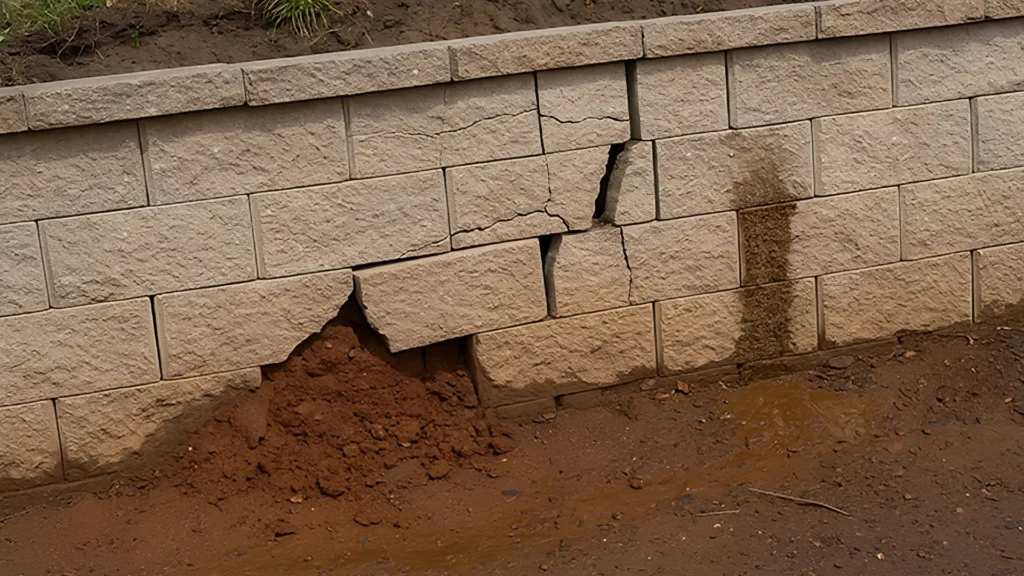
Cost Of Fixing A Retaining Wall In Tauranga
Understanding the cost of fixing a retaining wall in Tauranga can help you plan ahead and avoid unexpected expenses. Prices can vary widely depending on the extent of the damage, site conditions, and whether the wall needs repair or full replacement. Local factors such as sloped terrain, coastal exposure, and drainage challenges also play a significant role in overall costs, making it important to assess each situation carefully before committing to a solution.
Typical Price Ranges
The cost of repairing or rebuilding a retaining wall in Tauranga depends largely on the severity of the issue and the type of structure involved. Minor issues may be relatively affordable to fix, while structural failure often requires a full rebuild with significantly higher costs.
- Minor repairs: Small fixes such as patching cracks, improving drainage, or reinforcing weak sections can range from around $1,000 to $5,000 depending on complexity
- Moderate repairs: Addressing leaning walls or partial structural issues may cost between $5,000 and $15,000, especially if drainage systems need upgrading
- Full rebuild: Replacing a failed retaining wall can range from $15,000 to $50,000 or more, depending on materials, engineering requirements, and site accessibility
In Tauranga, costs can increase quickly due to terrain and soil conditions, so obtaining a professional assessment early can help prevent small issues from turning into major expenses.
Factors That Affect Cost
Several key factors influence how much you will pay to fix or replace a retaining wall. Understanding these can help you make more informed decisions and avoid underestimating the true cost of the project.
- Wall size and height: Taller and longer walls require more materials, stronger structural support, and often engineering input, which increases costs
- Access and site conditions: Properties on steep or hard-to-reach sections may require specialised equipment or additional labour, driving up project costs
- Engineering requirements: Walls above certain heights or those supporting heavy loads often need structural-engineer design and sign-off, adding both time and cost to the project
Each of these factors can significantly impact your final quote, which is why site-specific assessments are essential rather than relying on general estimates.
Hidden Costs To Consider
Beyond the obvious repair or construction costs, there are several additional expenses that homeowners often overlook. These hidden costs can affect your budget if not accounted for early in the planning process.
- Drainage upgrades: Proper drainage systems such as perforated pipes and backfill materials are critical for long-term stability and can add to upfront costs
- Council permits: Depending on the wall height and location, building consent and inspections from Tauranga City Council may be required, adding administrative fees and potential delays
- Landscaping restoration: Repair work often disturbs surrounding areas, meaning additional costs for soil replacement, planting, or restoring outdoor spaces
Fixing a retaining wall is not just about addressing visible damage but ensuring the structure remains stable and safe for years to come. Taking a proactive approach and working with experienced professionals can help you balance cost with long-term reliability and peace of mind.
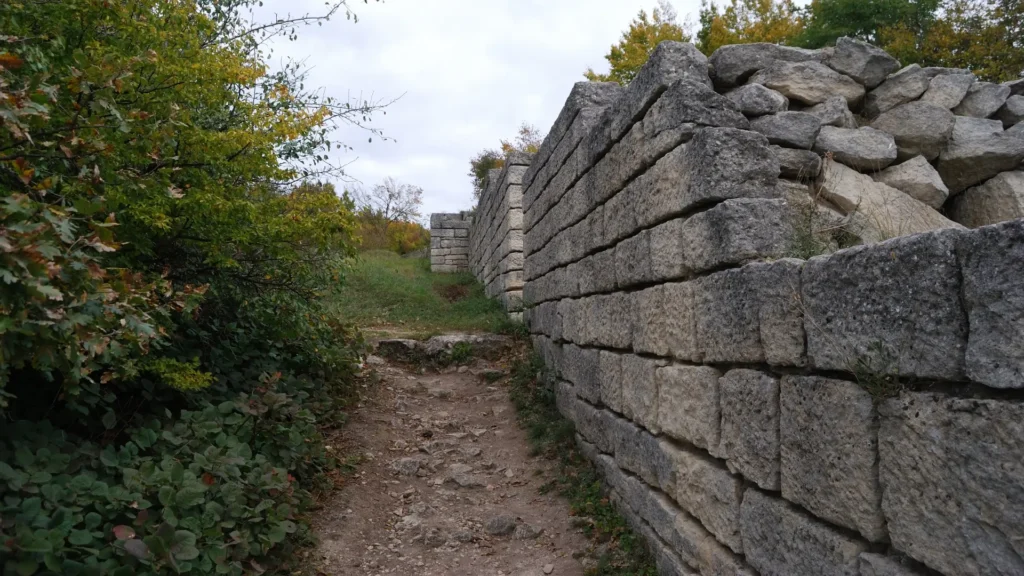
Tauranga Council Rules And Building Requirements
Understanding Tauranga Council rules is essential when dealing with a retaining wall, especially after a collapse or when planning repairs or replacement. These regulations are in place to protect property owners, neighboring land, and public safety, and failing to follow them can lead to costly delays, fines, or even legal issues. Knowing when consent is required, how compliance works, and why qualified professionals matter will help you approach your project with confidence and avoid unnecessary risks.
When Consent Is Required
Not all retaining walls require council approval, but many do, particularly when the structure affects safety, stability, or neighboring properties. Tauranga City Council follows national building standards, which means certain thresholds automatically trigger the need for consent.
- Height thresholds: Retaining walls over 1.5 metres in height generally require building consent, as they are considered structural elements that pose a higher risk if they fail.
- Structural impact: Even walls under 1.5 metres may need consent if they support additional loads such as driveways, buildings, or steep slopes, as this increases pressure and potential failure risk.
- Boundary considerations: Walls built near property boundaries may also require approval, particularly if they affect neighboring land stability or drainage.
If you are unsure, it is always safer to check with the council or consult a professional before starting any work. Retrospective consent after a failure or rebuild can be far more complicated and expensive.
Compliance And Inspections
Meeting compliance requirements is not just about ticking boxes. It directly impacts the safety, durability, and long-term value of your property. Tauranga Council requires inspections at key stages of construction to ensure the retaining wall is built according to approved plans.
- Safety assurance: Inspections verify that the wall has proper drainage, reinforcement, and structural integrity, reducing the risk of future collapse.
- Code compliance: A compliant wall meets New Zealand Building Code standards, which is critical for insurance eligibility and legal protection.
- Resale value: Properties with non-compliant structures can face issues during sale, including reduced value or failed building inspections. Buyers often request documentation proving the wall was approved and inspected.
Skipping compliance might seem like a shortcut, but it often leads to higher costs later, especially if the wall fails or needs to be rebuilt to meet regulations.
Working With Licensed Professionals
Retaining wall construction is not just a landscaping job. It often involves structural engineering, soil analysis, and drainage planning, all of which require professional expertise. Working with qualified builders and engineers ensures the wall is designed and built to handle Tauranga’s specific conditions.
- Licensed builders: A licensed building practitioner understands local regulations and construction standards, ensuring the work meets legal and safety requirements.
- Structural engineers: Engineers assess soil conditions, load-bearing capacity, and drainage design, which are critical factors in preventing collapse.
- Accountability and insurance: Professional contractors provide warranties and are typically insured, giving you protection if something goes wrong.
Choosing the cheapest option without proper qualifications can lead to poor workmanship and increased risk of failure. Investing in experienced professionals upfront is one of the most effective ways to ensure your retaining wall is safe, compliant, and built to last.
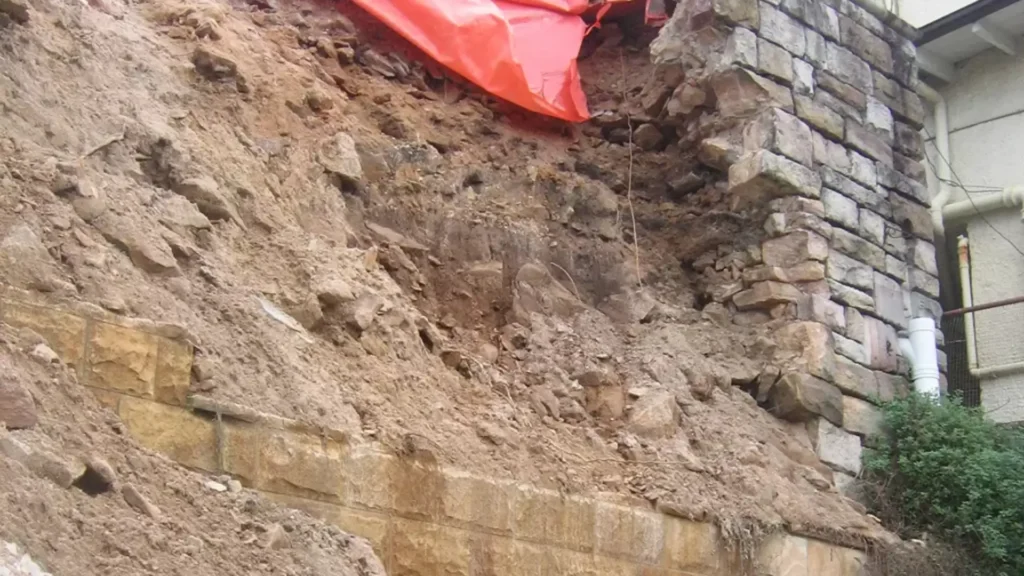
How To Prevent Retaining Wall Collapse
Preventing a retaining wall collapse in Tauranga is far more cost-effective than dealing with repairs after failure. With the region’s heavy rainfall, sloped terrain, and moisture-sensitive soils, long-term stability depends on good design, consistent maintenance, and informed landscaping decisions. Taking a proactive approach not only protects your property but also extends the lifespan of your retaining wall.
Proper Drainage Design
One of the most critical factors in preventing retaining wall failure is managing water pressure behind the wall. Poor drainage is the leading cause of collapse because water buildup increases hydrostatic pressure, which pushes against the structure until it weakens or fails.
- Weep holes: These small openings allow trapped water to escape from behind the wall, reducing pressure and preventing buildup over time
- Drainage pipes: Installed at the base of the wall, these pipes redirect water away from the structure and help maintain dry, stable soil conditions
- Free-draining backfill: Materials like gravel or crushed stone placed behind the wall improve water flow and prevent soil saturation
- Geotextile fabric: This layer separates soil from drainage material, preventing clogging and maintaining long-term drainage performance
A well-designed drainage system ensures that water moves away from the wall instead of accumulating behind it, which is essential in a high-rainfall area like Tauranga.
Regular Maintenance Tips
Even a well-built retaining wall requires ongoing care to remain structurally sound. Small issues can develop over time, and if left unchecked, they often lead to more serious problems.
- Clearing blocked drains: Leaves, dirt, and debris can clog drainage systems, so keeping outlets and pipes clear helps maintain proper water flow
- Inspecting for early signs: Look for cracks, leaning sections, or bulging areas, as these often indicate pressure buildup or structural stress
- Monitoring soil conditions: Changes in soil level or moisture can signal drainage problems that need attention
- Checking wall alignment: Subtle shifts in position may be early indicators of instability and should be assessed quickly
Routine inspections allow you to catch problems early, when they are easier and less expensive to fix.
Professional Design And Installation
Many retaining wall failures can be traced back to poor design or shortcuts taken during construction. While it may be tempting to reduce upfront costs, cutting corners often leads to higher repair expenses later.
- Site-specific design: A qualified professional will assess soil type, slope, and drainage conditions to create a wall suited to your property
- Engineering support: For larger or load-bearing walls, proper engineering ensures the structure can handle pressure over time
- Correct material selection: Using the right materials for Tauranga’s environment improves durability and resistance to moisture damage
- Compliance with local standards: Following Tauranga council requirements helps ensure safety and avoids legal or resale issues
Investing in professional design and installation provides long-term peace of mind and significantly reduces the risk of structural failure.
Landscaping Considerations
Landscaping choices around a retaining wall can either support its stability or contribute to its deterioration. Thoughtful planning helps prevent unnecessary stress on the structure.
- Safe planting distance: Trees and large shrubs should be planted far enough away to prevent roots from pushing against the wall
- Controlled root growth: Choose plants with less aggressive root systems to reduce the risk of structural pressure
- Water management: Avoid overwatering near the wall, as excess moisture can increase soil pressure and weaken the structure
- Surface drainage control: Ensure that garden beds and paved areas direct water away from the wall rather than toward it
Taking these preventative steps can make a significant difference in how well your retaining wall performs over time. A well-maintained, properly designed wall is far less likely to fail, giving you confidence that your property is protected against avoidable damage.
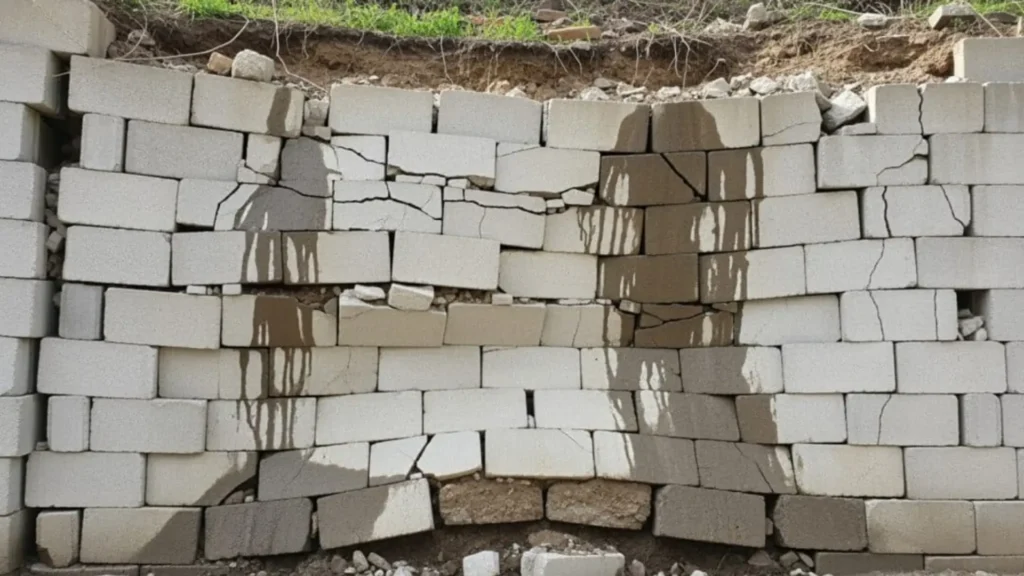
Common Mistakes Homeowners Make
Retaining wall failures rarely happen without warning, and in many cases, they are the result of avoidable decisions. Homeowners in Tauranga often face issues not because the problem was impossible to fix, but because small warning signs were overlooked or short-term solutions were chosen over long-term stability. Understanding these common mistakes can help you avoid costly repairs and protect your property from preventable damage.
Ignoring Early Warning Signs
One of the most common and costly mistakes is dismissing the early signs of a failing retaining wall. What starts as a minor issue can quickly escalate into a structural failure if left unaddressed.
- Leaning walls: A slight tilt may seem harmless, but it often indicates pressure building behind the wall or foundation movement.
- Visible cracks: Small cracks can widen over time, allowing water to enter and weaken the structure.
- Water pooling: Standing water behind or around the wall is a strong sign of poor drainage and increasing pressure.
- Soil movement: Shifting ground or sinking areas near the wall often point to underlying instability.
Addressing these issues early can significantly reduce repair costs and prevent a complete collapse. Waiting too long usually means the damage becomes structural rather than cosmetic.
DIY Fixes Without Proper Knowledge
While it may be tempting to handle repairs yourself, retaining walls are structural elements that require proper design and engineering. DIY fixes often focus on surface-level improvements without addressing the root cause.
- Cosmetic repairs: Patching cracks or repainting may improve appearance but does not resolve structural weakness.
- Improper reinforcement: Adding materials without understanding load-bearing requirements can increase pressure and worsen the problem.
- Lack of drainage planning: Many DIY attempts ignore proper water management, which is one of the main causes of wall failure.
- Safety risks: Working on unstable structures without proper knowledge can lead to injury or further damage.
In most cases, professional assessment is essential to ensure the wall is repaired safely and effectively.
Choosing Cheapest Contractor Over Qualified One
Cost is always a factor, but choosing the lowest-priced contractor can lead to poor workmanship and long-term issues. Retaining wall construction requires technical knowledge, especially in areas like Tauranga where soil and weather conditions can be challenging.
- Lack of engineering input: Cheaper contractors may skip proper design or structural calculations.
- Substandard materials: Lower costs often mean lower-quality materials that deteriorate faster.
- Non-compliance risks: Work that does not meet council standards can create legal and resale issues.
- Short-term solutions: Some contractors focus on quick fixes rather than durable, long-term results.
Investing in a qualified professional may cost more upfront but reduces the risk of repeat failures and expensive repairs.
Skipping Drainage Solutions
Poor drainage is one of the leading causes of retaining wall collapse, yet it is often overlooked during both construction and repair. Without proper water management, pressure builds behind the wall and eventually leads to failure.
- Hydrostatic pressure buildup: Water trapped behind the wall creates force that pushes the structure outward.
- Blocked drainage systems: Over time, drains can clog with soil and debris, reducing effectiveness.
- Missing drainage features: Walls without weep holes or drainage pipes are more likely to fail.
- Surface water mismanagement: Poor landscaping can direct water toward the wall instead of away from it.
Avoiding these common mistakes can make a substantial difference in how well your retaining wall performs over time. Taking a proactive approach, investing in the right expertise, and addressing issues early will help you maintain a safe and stable property.
Expert Insights: Why Retaining Walls Fail More Often Than You Think
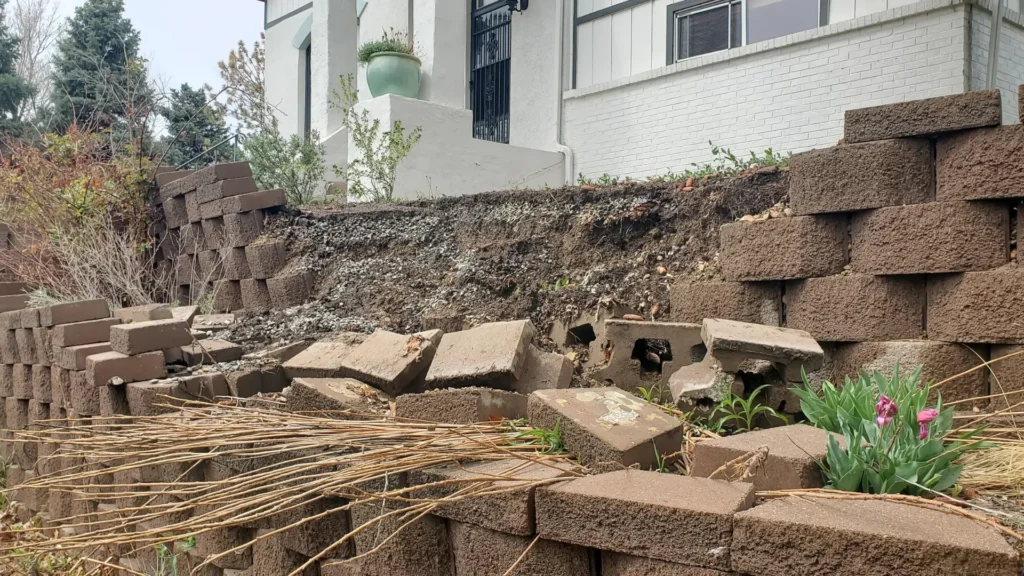
Retaining wall failure is more common than most homeowners expect, especially in areas like Tauranga where environmental and construction factors combine to create ongoing pressure on these structures. While many walls may look solid from the outside, hidden issues such as poor drainage, weak design, or soil instability can slowly compromise their strength over time. Understanding the real reasons behind these failures helps you make better decisions when building, maintaining, or repairing a retaining wall.
The Role Of Water Pressure (Simplified Explanation)
Water is the most underestimated force acting on a retaining wall. When rainwater soaks into the soil behind the wall, it creates what is known as hydrostatic pressure, which pushes outward against the structure. Without proper drainage, this pressure builds up and can eventually exceed the wall’s ability to hold it back.
- Hydrostatic pressure buildup: Water trapped behind the wall increases weight and force, causing the wall to bulge, crack, or collapse over time
- Blocked or missing drainage systems: Without drainage pipes or weep holes, water has nowhere to go, making even a well-built wall vulnerable
- Heavy rainfall impact: Tauranga’s frequent rain can quickly saturate soil, accelerating pressure buildup and weakening structural integrity
In practical terms, most retaining wall failures are not caused by the wall itself but by the water sitting behind it. Proper drainage design is often the difference between a long-lasting structure and one that fails prematurely.
Why Many Walls Are Under-Engineered
A significant number of retaining walls fail because they are not designed to handle the actual loads they face. This is especially common in older builds or DIY projects where professional engineering input was not part of the process.
- Lack of structural design: Many walls are built without proper calculations for soil load, height, and slope, leading to weak structural performance
- Inadequate reinforcement: Missing steel reinforcement or poor anchoring reduces the wall’s ability to resist pressure and movement
- Cost-cutting decisions: Choosing cheaper materials or skipping key construction steps often results in a wall that cannot withstand long-term stress
- Improper foundation preparation: A poorly compacted or shallow base can cause shifting, which destabilizes the entire structure
An under-engineered wall may look fine initially, but over time, even small stresses can lead to visible damage and eventual failure. Investing in proper design from the start is far more cost-effective than dealing with collapse and reconstruction later.
Local Environmental Factors In Tauranga
Tauranga’s natural conditions play a major role in retaining wall performance, and ignoring these factors is one of the biggest reasons walls fail in the region. Local soil types, weather patterns, and coastal influences all contribute to increased structural stress.
- Clay-heavy soils: These soils expand when wet and shrink when dry, creating constant movement that puts pressure on retaining walls
- Coastal exposure: Salt air and moisture can accelerate material deterioration, especially in timber or untreated metal components
- Sloped terrain: Many Tauranga properties are built on hills, increasing the load that retaining walls must support
- Seasonal weather patterns: Periods of heavy rainfall followed by dry conditions can lead to cycles of swelling and contraction in the soil
Retaining wall failure is rarely caused by a single issue. It is usually the result of multiple factors working together over time, which is why early awareness and proper construction practices are so important. By understanding these underlying causes, you can take proactive steps to protect your property and avoid costly repairs in the future.
References
- Retaining Wall Failure: Types, Cause and Precautions
https://civilengpro.com/retaining-wall-failure/ (Civil Engineering Profile) - Retaining Wall Water Drainage: Preventing Failure
https://engineerfix.com/retaining-wall-water-drainage-preventing-failure/ (Engineer Fix) - Retaining Wall Failure After Rain & Storms Guide
https://www.erwalls.com/retaining-wall-failure-after-rain-storm (erwalls.com) - Retaining Wall Drainage: Why It Matters and How To Do It Right
https://www.mmconcrete.com/ConcreteWebsite/post-retaining-wall-drainage-why-it-matters-and-how-to-do-it-right (mmconcrete.com) - Retaining Wall Failure and Hydrostatic Pressure Explained
https://winstormprojects.com/retaining-wall-failure-hydrostatic-pressure/ (winstormprojects.com)
FAQs: About Retaining Wall Collapse In Tauranga
What causes a retaining wall collapse in Tauranga?
Retaining wall collapse in Tauranga is often caused by poor drainage, soil pressure, and structural weaknesses. Heavy rainfall and clay-rich soils increase hydrostatic pressure behind the wall, while poor construction or aging materials can weaken its stability over time.
What are the early warning signs of a failing retaining wall?
Common warning signs include leaning or bulging walls, visible cracks, water pooling, and soil movement. You may also notice nearby structures like fences shifting. Identifying these signs early can help prevent a full collapse and reduce repair costs.
Is a retaining wall collapse covered by insurance in New Zealand?
Insurance coverage depends on the cause of the collapse and your policy terms. Sudden damage from events like storms may be covered, but gradual wear, poor maintenance, or faulty construction is often excluded. It’s best to review your policy and consult your insurer.
How much does it cost to fix a retaining wall in Tauranga?
Costs vary depending on the extent of damage, wall size, and materials used. Minor repairs may cost a few thousand dollars, while full replacements can range significantly higher. Additional costs may include drainage upgrades, engineering, and council approvals.
Do I need council consent to rebuild a retaining wall in Tauranga?
In many cases, council consent is required, especially if the wall exceeds certain height limits or affects structural stability. Tauranga City Council regulations must be followed to ensure compliance, safety, and future property value.
Can I repair a retaining wall myself?
Small cosmetic fixes may be possible for experienced DIYers, but structural repairs should always involve professionals. Improper fixes can worsen the issue and lead to higher costs or safety risks. Consulting an expert ensures the wall is stable and compliant.
How long should a retaining wall last?
A well-built retaining wall can last between 20 to 50 years depending on materials and maintenance. Timber walls typically have shorter lifespans, while concrete or stone walls can last much longer when properly designed and maintained.
Who is responsible if a retaining wall collapses between properties?
Responsibility depends on property boundaries, wall ownership, and the original purpose of the wall. In some cases, liability may be shared between neighbors. Legal advice or council guidance may be needed to determine responsibility.
What is the best material for retaining walls in Tauranga?
Concrete and block walls are often preferred for durability and resistance to moisture, while treated timber is more affordable but less long-lasting. The best choice depends on site conditions, budget, and long-term maintenance considerations.
How can I prevent a retaining wall from collapsing?
Proper drainage is the most critical factor in preventing collapse. Regular inspections, clearing drainage systems, and addressing minor issues early can extend the life of your wall. Professional design and installation also significantly reduce the risk of failure.
Conclusion
Retaining wall collapse in Tauranga is rarely a sudden, unpredictable event, and in most cases it develops from a combination of poor drainage, soil pressure, aging materials, or construction issues that go unnoticed over time. By understanding the common causes, recognizing early warning signs such as leaning walls or water buildup, and taking a proactive approach to maintenance, you can significantly reduce the risk of failure and avoid costly repairs. Acting early is critical, as small issues are often far easier and more affordable to fix than full structural collapse, especially in Tauranga’s rainfall-heavy and slope-prone conditions. Whether you are maintaining an existing wall or planning a replacement, working with experienced professionals ensures the structure is properly designed, compliant, and built to last. If you’re dealing with a retaining wall issue in Tauranga, it’s best to get expert advice before it worsens, as a timely inspection can provide clarity, protect your investment, and give you confidence in the next steps forward.